Key Takeaways
Direct Answer: Document Damage and Contact the Insurer
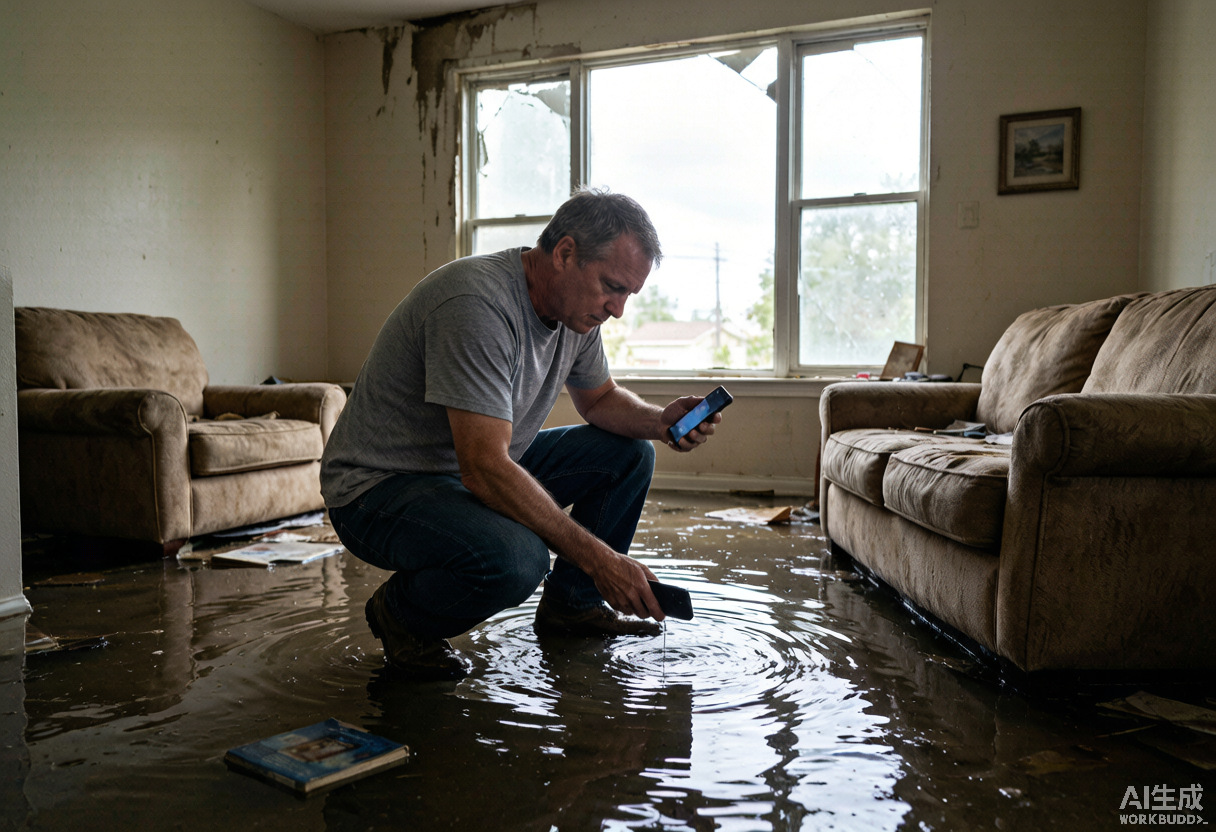
Start a hurricane insurance claim by contacting the insurer as soon as it is safe and following its reporting instructions. Photograph and video damage before cleanup, keep receipts, make a detailed inventory, and record dates, contacts, and requested documents. Take reasonable temporary steps to prevent further damage, but ask the insurer before permanent repairs when possible. If an estimate appears incomplete, request a written explanation and ask the insurer or state insurance department about available review or dispute options.
Hurricane Claim Help for Older Homeowners and Caregivers
An older homeowner can ask a trusted family member, caregiver, or authorized representative to help photograph damage, organize receipts, join insurer calls, and track requested documents. Confirm with the insurer how authorization should be recorded before sharing policy details. Keep damaged medical equipment, accessibility modifications, temporary housing needs, transportation, and additional living expenses clearly documented. FEMA and NAIC consumer guidance both emphasize contacting the insurer, preserving evidence, keeping receipts, preventing further damage safely, and avoiding contractor scams.
- Keep the claim number, insurer contacts, requested documents, and call notes in one paper and digital log.
- Ask the insurer for accessible communication or printed documents when online forms, hearing, vision, language, or mobility create a barrier.
- Photograph damaged medical equipment and accessibility modifications, and record model numbers when available.
- Do not give policy, banking, or identity information to unsolicited callers or contractors promising faster payment.
Before the Storm: Build Your Pre-Storm Proof
The most powerful evidence in any claim is what you can show existed before the storm. A pre-storm record makes the adjuster's job easier and removes most arguments about what was lost.
- Walk every room and record video with a steady voice-over naming each item and its approximate value.
- Photograph serial numbers of major appliances and electronics.
- Keep receipts for high-value purchases; store copies digitally and in a waterproof bag.
- Save a copy of your policy, declarations page, and home inventory somewhere off-site.
- Review your coverage now: what is your deductible, what does wind damage cover, and do you have flood insurance?
Immediately After the Storm: Report Early and Report Right
Insurers triage claims after a disaster, and the order you file often determines how fast an adjuster is assigned. Report as soon as it is safe, but be ready with your policy number and a rough list of damage.
- Call your insurer or use their app within the first 24-48 hours after it is safe.
- Write down the claim number, the adjuster's name, and every phone number you are given.
- Ask specifically whether wind and flood damage are being handled in one claim or two.
- If you have flood coverage, file the flood claim separately with the NFIP or your flood insurer.
- Keep a claim log: date, time, who you spoke to, and what was said each call.
Document the Damage Before You Clean Anything
Cleanup destroys evidence. The single most common reason claims are underpaid is that homeowners threw away damaged items before the adjuster saw them. Document first, clean second.
- Photograph and video every room from multiple angles before moving a single item.
- Capture the roof and exterior from the ground—do not climb onto a damaged roof.
- Leave damaged items in place; if you must remove them for safety, photograph them first.
- Take close-up shots of water lines on walls, broken windows, and lifted flooring.
- Save a sample of damaged carpet, insulation, or drywall in a labeled bag if the claim is large.
Create a Room-by-Room Inventory
Adjusters pay from your inventory. A detailed, honest list of every item lost or damaged gives them what they need and prevents the 'we had to take your word for it' conversation.
- List each room and every damaged item with its age, brand, model, and approximate purchase price.
- Note whether items were destroyed, damaged, or only wet and salvageable.
- Use the insurer's own inventory worksheet if they provide one.
- Separate 'replacement cost' items from 'actual cash value' items so the math is clear.
- Include out-of-pocket costs: tree removal, tarps, hotel receipts, and emergency repairs.
Make Emergency Repairs—But Save Every Receipt
You are required to prevent further damage, and most policies reimburse reasonable emergency repairs. Just document everything you spend and take photos before and after.
- Tarp a damaged roof and board broken windows to keep rain out.
- Turn off water at the main valve if pipes are broken.
- Keep every receipt for materials, labor, tarps, generators, and lodging.
- Photograph the damage before and after each repair.
- Do not make permanent repairs before the adjuster visits unless an emergency demands it.
The Adjuster Visit: What to Expect and How to Prepare
The adjuster's inspection sets the baseline for your settlement. Be present, be organized, and hand them your documentation instead of letting them start from scratch.
- Meet the adjuster with your inventory, photos, receipts, and policy in hand.
- Walk them through each damaged area rather than waiting in the driveway.
- Show water lines, structural issues, and every item on your list.
- Take your own notes and photos during the inspection.
- Ask when you can expect the written estimate and what the next steps are.
If the Settlement Seems Low: Understand and Appeal
A first offer is rarely a final offer. You can push back, but you need evidence and a clear understanding of how the number was calculated.
- Compare the adjuster's estimate line by line with your own inventory and contractor quotes.
- Ask the insurer to explain anything you do not understand in writing.
- Get written bids from licensed contractors to support repair costs.
- You may request a reinspection or a second opinion from an independent adjuster.
- Check your state insurance department for appeal deadlines and consumer protections.
Avoid Claim Mistakes That Delay or Reduce Payouts
Some errors cost real money. Knowing the common ones lets you steer around them before they happen.
- Never throw away damaged property before the adjuster sees it or approves disposal.
- Do not agree to a lowball offer without reviewing the estimate and asking questions.
- Do not sign anything that releases the insurer from liability without reading it.
- Do not forget to file for FEMA assistance even with insurance—it covers gaps like deductibles.
- Do not delay. Most policies and state rules have strict deadlines for filing claims.
Stay Informed With HurricaneHub
A good claim starts with knowing exactly what hit your property. HurricaneHub layers the NHC forecast cone, GOES-East satellite, RainViewer Doppler radar, NWS active alerts, storm surge zones, and evacuation overlays on one map. When the next storm forms, see the forecast path, monitor the warnings for your exact location, and get to the recovery phase with everything you need at hurricanetracker.cc.
Official Source Check
Before making a life-safety decision, check weather.gov, your local emergency management agency, and current NHC advisories. NOAA/NESDIS and NASA images in this article are public-domain source visuals.
Next Actions After Reading
Use the article for background, then move to the tracker, alert, city, or planning page that matches your current situation.
Turn the article into a supplies, documents, pets, and household readiness checklist.
Translate watch, warning, surge, flood, tornado, and evacuation wording into household actions.
Check current NHC storm context, live map shortcuts, radar, and active alert pathways.
Move from general guidance to local storm surge, flooding, route, outage, and alert context.