Key Takeaways
Start With Safe Reentry
Do not enter a flooded home until local officials say reentry is allowed and you can avoid electrical, structural, gas, sewage, and contaminated-water hazards. Mold prevention matters, but it comes after life-safety checks from emergency management, utility providers, and local health officials.
Why Mold Risk Rises After Hurricane Flooding
Warm, humid air and wet porous materials can allow mold to grow quickly after flooding. Drying early can reduce risk, but floodwater may contain sewage, chemicals, debris, or other contaminants, so cleanup should follow EPA, CDC, local health department, and insurance guidance rather than improvised shortcuts.
First Cleanup Priorities
Use these steps as a planning checklist after officials clear reentry. Stop and get professional help if electricity, structural damage, sewage, chemical contamination, or health conditions make cleanup unsafe.
- Document damage with photos and video before moving items when it is safe to do so.
- Remove standing water with pumps, wet/dry vacuums, or professional services only when electricity and structure are safe.
- Increase ventilation and dehumidification when outdoor conditions and power safety allow.
- Separate porous materials that stayed wet from hard surfaces that may be cleaned and dried.
- Keep receipts for equipment, supplies, lodging, and professional cleanup.
What Usually Cannot Be Saved
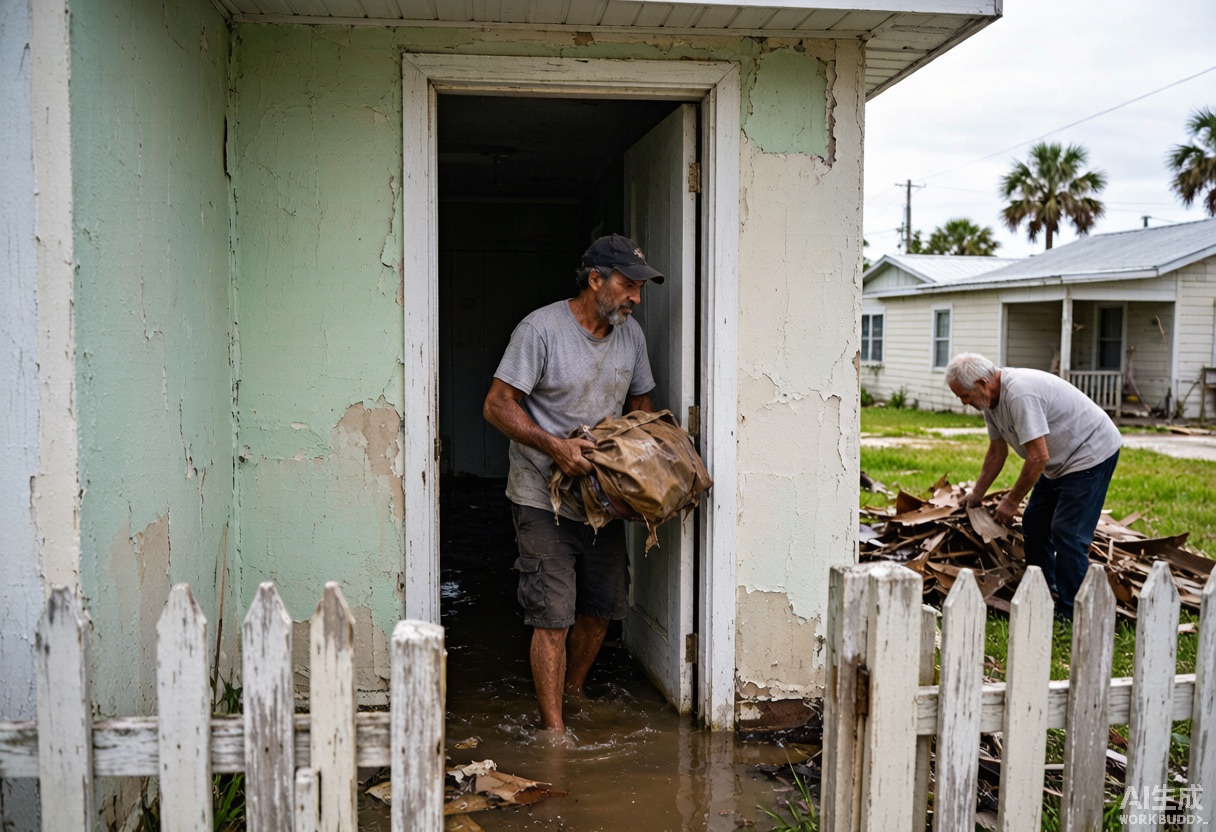
Flood-soaked carpet padding, insulation, mattresses, upholstered furniture, and damaged drywall often cannot be fully dried or cleaned. Before disposal, photograph items and check insurer or adjuster instructions so cleanup does not erase documentation needed for a claim.
Cleaning Hard Surfaces
Hard, non-porous surfaces may be cleaned with detergent and water, then disinfected with an appropriate product used exactly as labeled. Never mix bleach with ammonia or other cleaners. When the affected area is large, recurring, inside walls, or connected to HVAC, use qualified remediation help.
Health-Sensitive Households
People with asthma, allergies, immune conditions, pregnancy, respiratory symptoms, or other medical concerns should be cautious around damp or mold-affected buildings. Follow CDC and local health department guidance and ask a medical professional before participating in cleanup.
Insurance and Recovery Documentation
Coverage depends on policy language, the cause of water damage, flood coverage, and required mitigation steps. Standard homeowners policies often treat flood differently from wind-driven rain. Review your policy, contact your insurer, and keep a dated cleanup log. Related guides: /blog/what-to-do-after-a-hurricane/, /blog/hurricane-insurance-claim-guide-documentation/, and /blog/hurricane-flood-insurance-guide-nfip/.
Official Resources to Check
Use EPA mold cleanup guidance, CDC flood cleanup health guidance, local health department instructions, FEMA disaster assistance resources, and your local emergency management office. HurricaneHub can organize recovery steps, but official agencies and licensed professionals should guide safety-critical decisions.
Official Source Check
Before making a life-safety decision, check weather.gov, your local emergency management agency, and current NHC advisories. NOAA/NESDIS and NASA images in this article are public-domain source visuals.
Next Actions After Reading
Use the article for background, then move to the tracker, alert, city, or planning page that matches your current situation.
Turn the article into a supplies, documents, pets, and household readiness checklist.
Translate watch, warning, surge, flood, tornado, and evacuation wording into household actions.
Move from general guidance to local storm surge, flooding, route, outage, and alert context.
Prepare for charging, food safety, refrigerated medicine, generators, pets, and communication.