Key Takeaways
Direct Answer
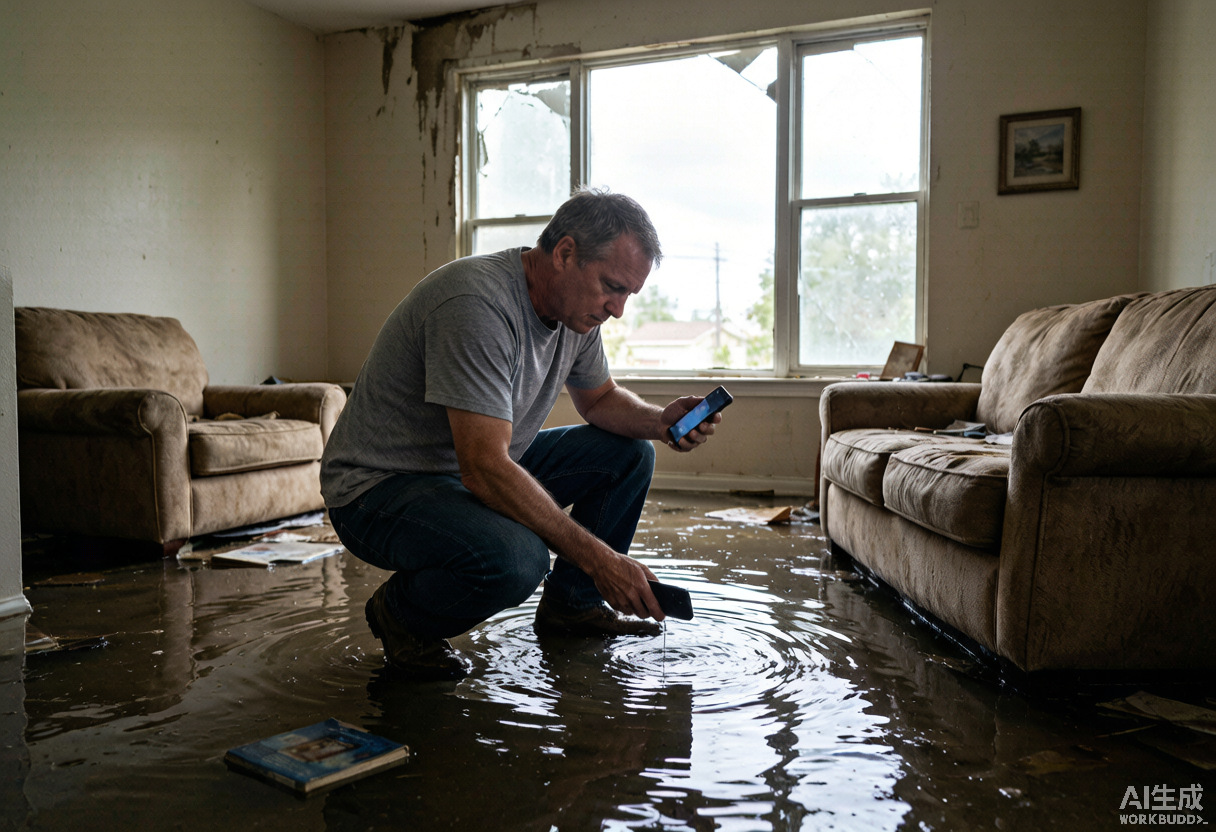
Additional Living Expenses coverage, often called ALE or loss-of-use, may help with reasonable extra costs when covered hurricane damage makes a home uninhabitable. It commonly relates to temporary lodging, extra meal costs, storage, pet boarding, or travel created by displacement, but the policy language, limits, cause of loss, and state rules control what is actually paid.
What Counts as an Extra Living Expense
The key word is extra. ALE is generally about the difference between normal living costs and the added costs caused by being unable to live at home. Keep receipts, dates, claim numbers, and notes explaining why each cost was necessary. Ask the insurer how it wants expenses submitted before sending a large pile of documents.
Limits, Time Caps, and Policy Terms
ALE is not unlimited. Some policies use a dollar limit, a percentage of dwelling coverage, a time limit, or a combination. Renters policies may include loss-of-use coverage with different caps. Read the declarations page and ask the insurer or agent for the exact limit before assuming a hotel, rental, or meal cost will be reimbursed.
Wind, Flood, and Habitability Questions
Hurricane claims often involve separate causes of loss, including wind, rain intrusion, storm surge, or flood. Standard homeowners policies often treat flood differently from wind, and a separate flood policy may be involved. Ask the insurer which policy applies and whether the home is considered uninhabitable under the policy terms.
Build a Claim-Ready Record
Save receipts digitally and on paper, photograph damage before cleanup when safe, keep all insurer messages, and write a simple date log of where you stayed and why. The cleaner the record, the easier it is for an adjuster to understand the displacement timeline.
Before the Storm: Confirm Coverage
Before hurricane season, ask your insurer or agent whether your policy includes ALE or loss-of-use coverage, what the limit is, whether flood-related displacement is handled differently, and what documentation is required. Store the answer with your hurricane documents.
During Displacement: Keep Spending Reasonable
Most policies use reasonableness language. Choose lodging and meals that match the household's needs rather than treating ALE as open-ended spending. If a long displacement is likely, ask the adjuster whether a temporary rental, hotel extension, or other option should be approved in writing.
Use HurricaneHub to Prepare Documents
Pair this guide with the hurricane documents and insurance checklist, evacuation-zone guide, preparedness checklist, and live hurricane tracker. Those pages help you pack policy documents before leaving and organize the evidence you may need after the storm.
Official Source Check
For coverage decisions, the policy and insurer are authoritative. For disaster assistance, use DisasterAssistance.gov, FEMA, your state insurance department, and local emergency management. This article is general information, not legal, financial, or insurance advice.
Official Source Check
Before making a life-safety decision, check weather.gov, your local emergency management agency, and current NHC advisories. NOAA/NESDIS and NASA images in this article are public-domain source visuals.
Next Actions After Reading
Use the article for background, then move to the tracker, alert, city, or planning page that matches your current situation.
Turn the article into a supplies, documents, pets, and household readiness checklist.
Translate watch, warning, surge, flood, tornado, and evacuation wording into household actions.
Check current NHC storm context, live map shortcuts, radar, and active alert pathways.
Move from general guidance to local storm surge, flooding, route, outage, and alert context.