Key Takeaways
Slow Down Before You Sign
After hurricanes, homeowners may face legitimate repair needs alongside aggressive sales tactics, fake inspectors, unlicensed contractors, and confusing claim paperwork. Protect the home and the claim by documenting damage, contacting your insurer directly, checking licenses, and getting written estimates before signing anything.
Document Damage First
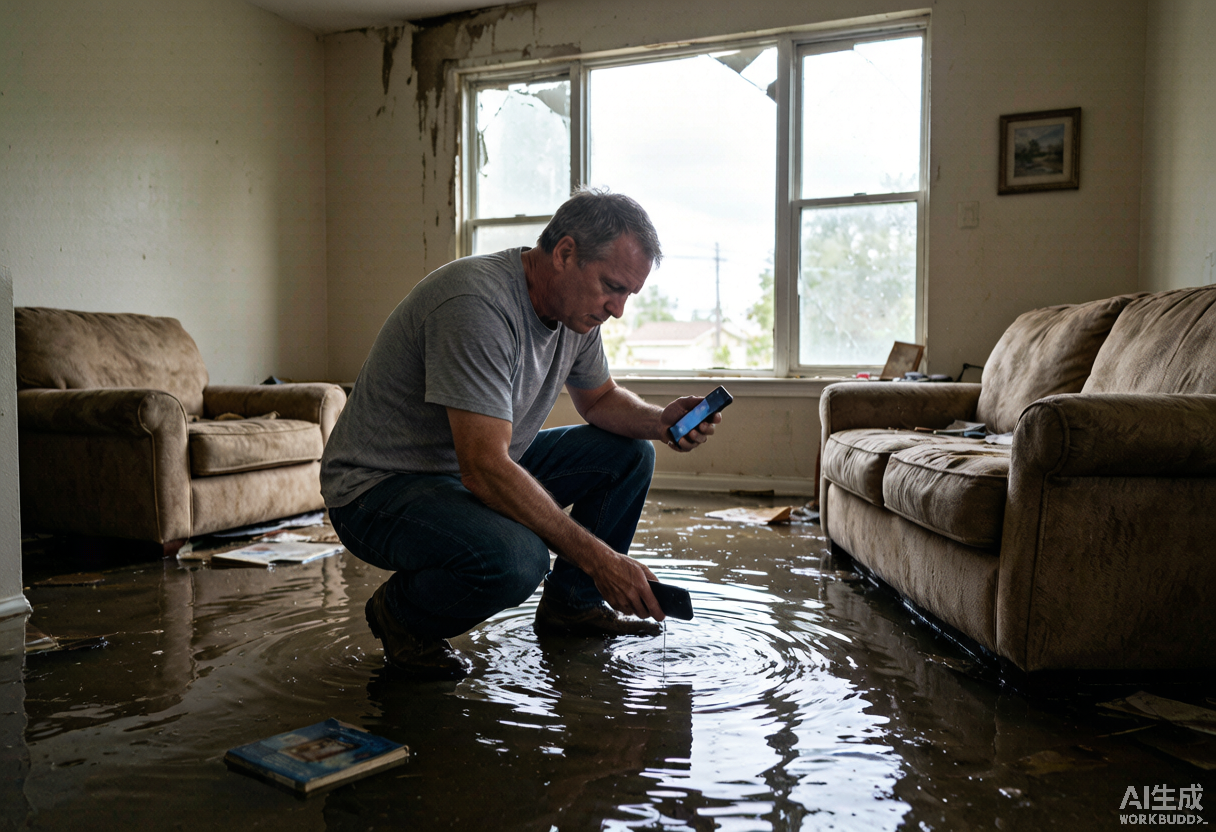
When it is safe, create a room-by-room record before cleanup or permanent repairs begin. Follow insurer instructions if they give specific documentation rules.
- Photograph exterior, roof, windows, ceilings, floors, furniture, appliances, and utilities from multiple angles.
- Keep a dated written inventory with approximate values and notes about when damage was found.
- Save receipts for tarps, drying equipment, cleanup supplies, lodging, and temporary repairs.
- Keep claim numbers, adjuster names, contractor estimates, and call notes in one folder.
Verify Contractors Through Official Channels
Check state licensing boards, local permit offices, proof of insurance, references, and written estimates. Be cautious with door-to-door pressure, large upfront cash or wire demands, vague contracts, refusal to pull permits, or promises that sound too easy.
Assignment of Benefits and Claim Paperwork
Some documents can transfer claim payment rights or control to a contractor or third party. Rules vary by state and policy, so do not sign claim-rights paperwork under pressure. Ask your insurer, state insurance department, or a qualified professional if you do not understand a form.
Temporary Repairs and Permits
Reasonable temporary measures may help prevent further damage, but permanent work should follow local permit and inspection rules. Coordinate tarping, drying, demolition, mold remediation, and rebuild steps with your insurer and local building department when required.
Protect Seniors and Vulnerable Neighbors
Older adults, non-English speakers, disabled residents, and people under severe stress may be targeted after disasters. Offer to help review written estimates, verify licenses, call the insurer, or report suspicious activity through official channels.
Related Recovery Guides
Use /blog/what-to-do-after-a-hurricane/ for recovery order of operations, /blog/hurricane-insurance-claim-guide-documentation/ for claim documentation, /blog/hurricane-mold-prevention-after-flood/ for damp-building cleanup context, and /hurricane-tracker/live/ to understand the official storm record.
Official Source Check
Before making a life-safety decision, check weather.gov, your local emergency management agency, and current NHC advisories. NOAA/NESDIS and NASA images in this article are public-domain source visuals.
Next Actions After Reading
Use the article for background, then move to the tracker, alert, city, or planning page that matches your current situation.
Turn the article into a supplies, documents, pets, and household readiness checklist.
Translate watch, warning, surge, flood, tornado, and evacuation wording into household actions.
Check current NHC storm context, live map shortcuts, radar, and active alert pathways.
Move from general guidance to local storm surge, flooding, route, outage, and alert context.