Key Takeaways
Why Renters Need a Different Hurricane Plan
Apartment renters cannot control the roof, exterior shutters, elevators, drainage, or building repairs, so the plan should focus on people, documents, communication, insurance, pets, and knowing when official guidance says to leave. Use property-manager instructions, local emergency management, NWS alerts, and NHC advisories as the decision sources.
Build a Renter Go-Bag
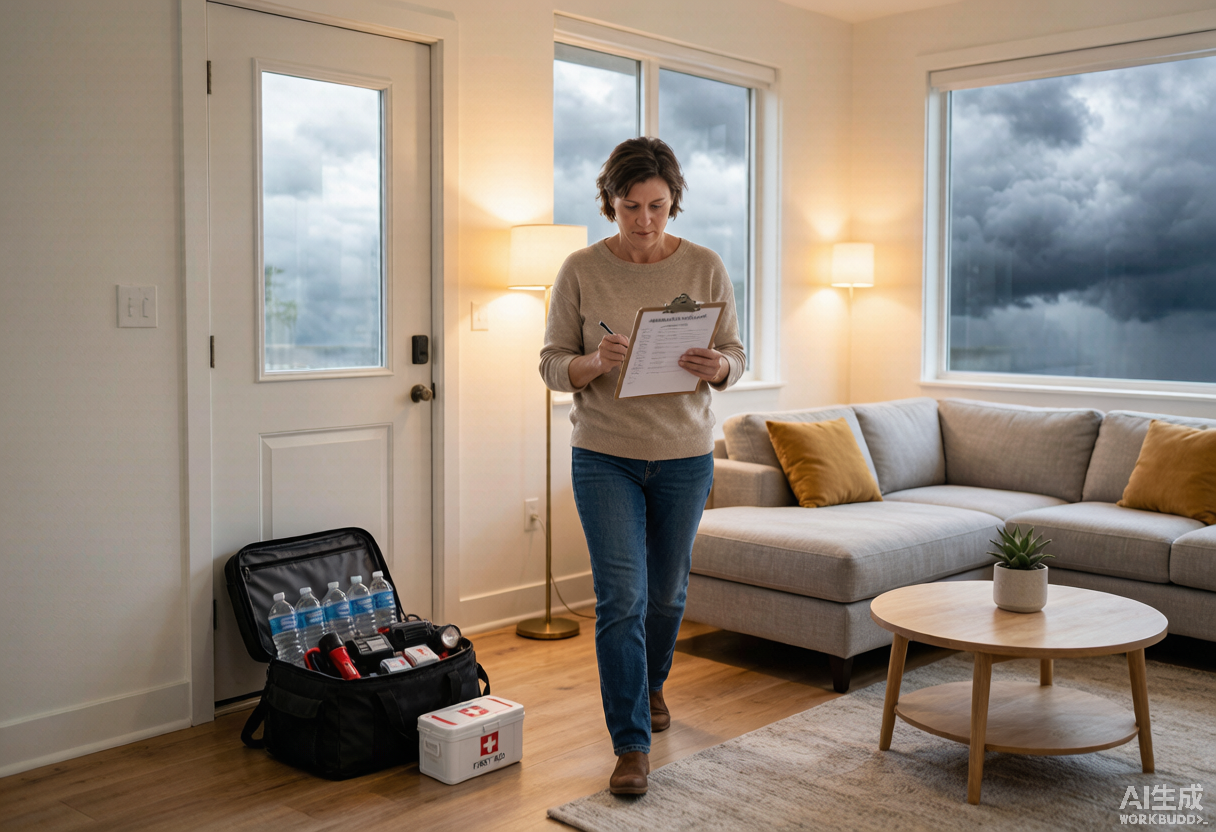
Keep a bag where each household member can grab it quickly if your building loses power, floods, or receives an evacuation order.
- Photo ID, lease copy, renters insurance information, medications, chargers, and emergency contacts.
- Water, no-cook food, flashlight, batteries, radio, basic first aid, and cash in small bills.
- Pet food, carriers, vaccination records, leashes, and a pet-friendly destination plan.
- Comfort items for children and written care notes for seniors, disabled household members, or medical needs.
Room-by-Room Apartment Checks
Move valuables and electronics away from windows and low floors when safe. Bring balcony items indoors, keep shoes and flashlights near beds, know two stairwell routes, and photograph every room before storm season or before damage cleanup when safe.
Elevators, Upper Floors, and Shared Buildings
Power outages can stop elevators, card access, water pumps, and air conditioning. Upper floors may avoid some flooding but can face stronger wind, broken glass, stairwell access issues, and heat after outages. Ask property management about emergency procedures before a storm threatens.
Renters Insurance and Flood Coverage
A landlord policy usually covers the building, not your belongings. Renters insurance may cover personal property and loss-of-use, but flood damage often requires separate coverage. Review policy terms with your insurer and see /blog/hurricane-flood-insurance-guide-nfip/ and /blog/hurricane-additional-living-expenses-ale-coverage/.
After the Storm
Return only when local officials and building management allow it. Watch for electrical hazards, water damage, elevator outages, mold, and unsafe repairs. Photograph damage before cleanup and report issues to the landlord and insurer. Recovery context is available at /blog/what-to-do-after-a-hurricane/ and /blog/hurricane-mold-prevention-after-flood/.
Use Local Tracker and Preparedness Tools
Pair your apartment plan with /hurricane-tracker/live/, /hurricane-tracker/city/, /tools/preparedness-checklist/, and /tools/local-risk-plan/. HurricaneHub helps organize context, but local officials control evacuation, reentry, shelter, and road decisions.
Official Source Check
Before making a life-safety decision, check weather.gov, your local emergency management agency, and current NHC advisories. NOAA/NESDIS and NASA images in this article are public-domain source visuals.
Next Actions After Reading
Use the article for background, then move to the tracker, alert, city, or planning page that matches your current situation.
Turn the article into a supplies, documents, pets, and household readiness checklist.
Translate watch, warning, surge, flood, tornado, and evacuation wording into household actions.
Check current NHC storm context, live map shortcuts, radar, and active alert pathways.
Move from general guidance to local storm surge, flooding, route, outage, and alert context.