Key Takeaways
Direct Answer
Run a portable generator only outdoors and away from doors, windows, vents, garages, crawl spaces, and attached structures. Carbon monoxide is invisible and can build up quickly, so pair generator use with working battery or battery-backup carbon monoxide alarms. Follow the generator manual, local fire guidance, and official emergency instructions before relying on a generator during a hurricane outage.
Why Generator Safety Matters After Hurricanes
Hurricane outages create pressure to restore refrigeration, charging, medical equipment, and lights quickly. That urgency is exactly when unsafe generator placement, overloaded cords, fuel spills, and improvised electrical connections become dangerous. Treat the generator as outdoor equipment that needs a planned location before the storm, not a last-minute fix during heavy rain or darkness.
Choose the Outdoor Generator Location Before the Storm
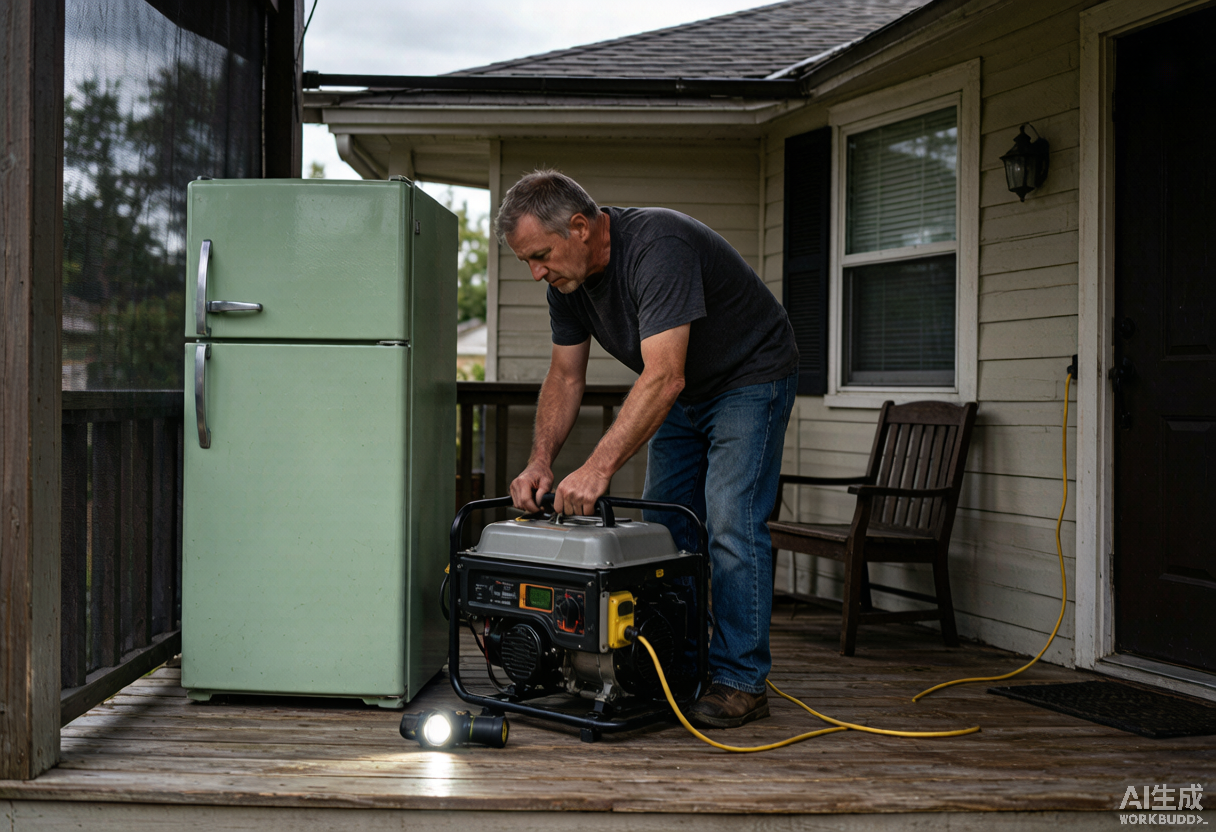
Pick a dry, stable outdoor location where exhaust is directed away from the home and nearby openings. Do not run the generator in a garage, carport, shed, enclosed porch, balcony, or any partly enclosed space. If homes are close together, consider where exhaust could drift toward neighbors as well as your own windows.
Carbon Monoxide Alarms Are a Required Layer
Install working carbon monoxide alarms according to the manufacturer's instructions and local code. Battery or battery-backup alarms are important during outages because plug-in alarms may lose power. If an alarm sounds or people feel sick while a generator is running nearby, move to fresh air and call emergency services.
Fuel Storage and Refueling
Store fuel only in approved containers and away from living areas, heat, sparks, and ignition sources. Shut the generator down and let it cool before refueling, because spilled fuel on hot parts can ignite. Keep fuel handling outdoors and away from children and pets.
Electrical Connections and Backfeeding
Do not connect a generator to a wall outlet to power a home circuit. Backfeeding can endanger utility workers and damage equipment. Use properly rated outdoor extension cords for individual loads, or ask a licensed electrician about an approved transfer switch before hurricane season.
Plan Critical Loads Before the Outage
A portable generator has limited capacity. Decide which appliances or devices matter most, check the manual, and avoid overloading the unit. For medical equipment, refrigerated medicine, oxygen, CPAP, or similar needs, ask the clinician, equipment provider, or pharmacist for a power continuity plan before a storm is close.
Use HurricaneHub Tools With Generator Planning
Generator safety is one part of a broader outage plan. Use the power outage planner for charging, food, medicine, and communication prompts. Pair it with the preparedness checklist and live hurricane tracker so the generator is not your only readiness step.
Official Source Check
Before operating a generator, check current instructions from Ready.gov, FEMA, your local fire department, the generator manual, and weather.gov alerts. This article is educational and does not replace product instructions, electrical code, medical advice, or emergency orders.
Official Source Check
Before making a life-safety decision, check weather.gov, your local emergency management agency, and current NHC advisories. NOAA/NESDIS and NASA images in this article are public-domain source visuals.
Next Actions After Reading
Use the article for background, then move to the tracker, alert, city, or planning page that matches your current situation.
Turn the article into a supplies, documents, pets, and household readiness checklist.
Translate watch, warning, surge, flood, tornado, and evacuation wording into household actions.
Check current NHC storm context, live map shortcuts, radar, and active alert pathways.
Move from general guidance to local storm surge, flooding, route, outage, and alert context.