HurricaneHub blog
2025 Atlantic Hurricane Season Outlook
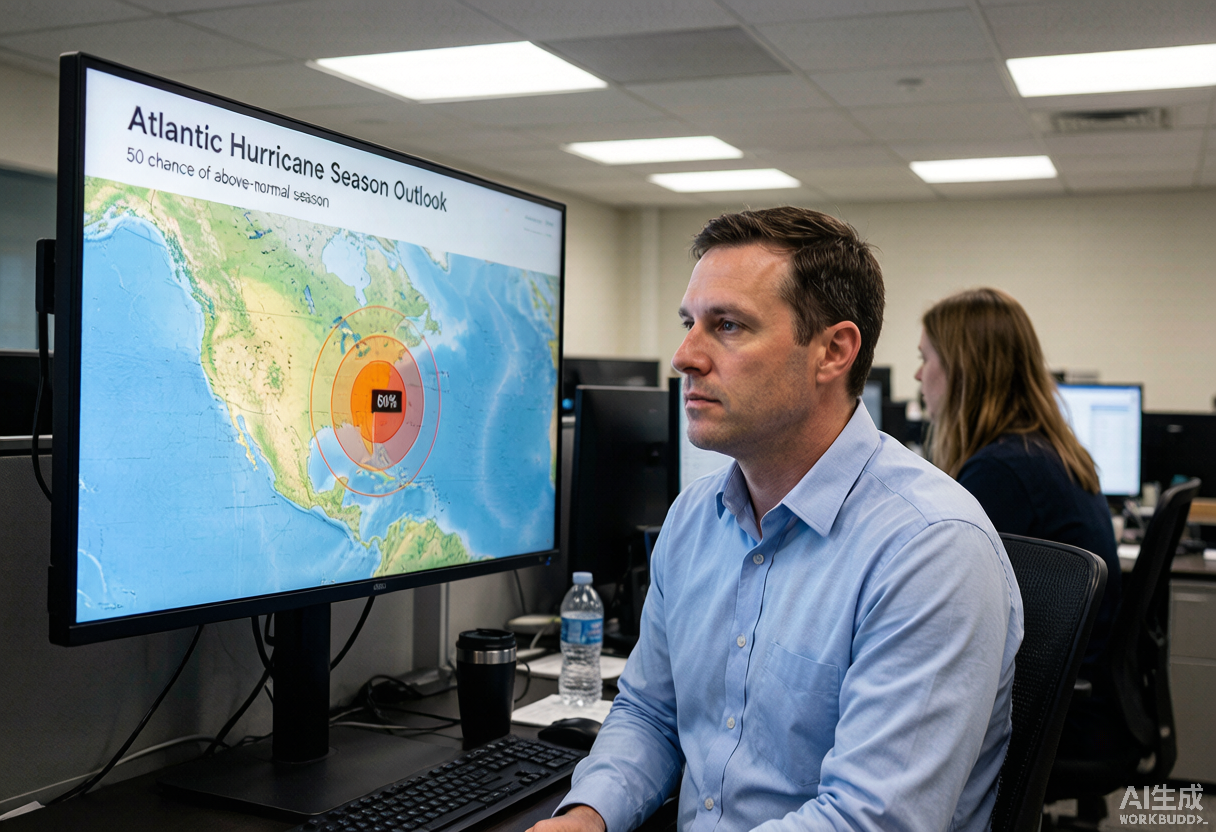
A practical overview of seasonal hurricane risk signals and how households should interpret outlooks before storms form.
Published 2025-05-20 · Last modified 2026-07-28
HurricaneHub blog
A practical overview of seasonal hurricane risk signals and how households should interpret outlooks before storms form.
Published 2025-05-20 · Last modified 2026-07-28
A seasonal outlook is a planning signal, not a landfall forecast. Use it to prepare supplies, insurance records, evacuation routes, and family communication before a named storm targets your area.
The most useful response is to finish low-regret actions before peak season.
Do not use a seasonal forecast to decide whether one specific city will be hit. Use it to decide how early your household should finish kit building, tree trimming, insurance review, and evacuation planning.
If an active storm forms near your basin, move from seasonal planning to daily NHC advisory checks and local NWS alert monitoring. Households with medical or transportation constraints should shift earlier.
Before making a life-safety decision, check weather.gov, your local emergency management agency, and current NHC advisories. NOAA/NESDIS and NASA images in this article are public-domain source visuals.
Use the article for background, then move to the tracker, alert, city, or planning page that matches your current situation.
Turn the article into a supplies, documents, pets, and household readiness checklist.
Translate watch, warning, surge, flood, tornado, and evacuation wording into household actions.
Check current NHC storm context, live map shortcuts, radar, and active alert pathways.
Move from general guidance to local storm surge, flooding, route, outage, and alert context.
Check your official local warning first, compare it with the current NHC storm position, then decide whether your home, route, or medical needs require earlier action than the county deadline.
NHC advisories usually update on a cycle set by the storm situation, while NWS alerts can change at any time. HurricaneHub caches public feeds for short windows to reduce latency without hiding official updates.
No. HurricaneHub summarizes official data for decision support, but evacuation orders, shelter rules, road closures, and rescue instructions come from local emergency management and the National Weather Service.