HurricaneHub blog
What a Hurricane Watch or Warning Means
A plain-language guide to hurricane watches, warnings, storm surge alerts, and when to shift from monitoring to action.
Published 2025-06-18 · Last modified 2026-07-28
HurricaneHub blog
A plain-language guide to hurricane watches, warnings, storm surge alerts, and when to shift from monitoring to action.
Published 2025-06-18 · Last modified 2026-07-28
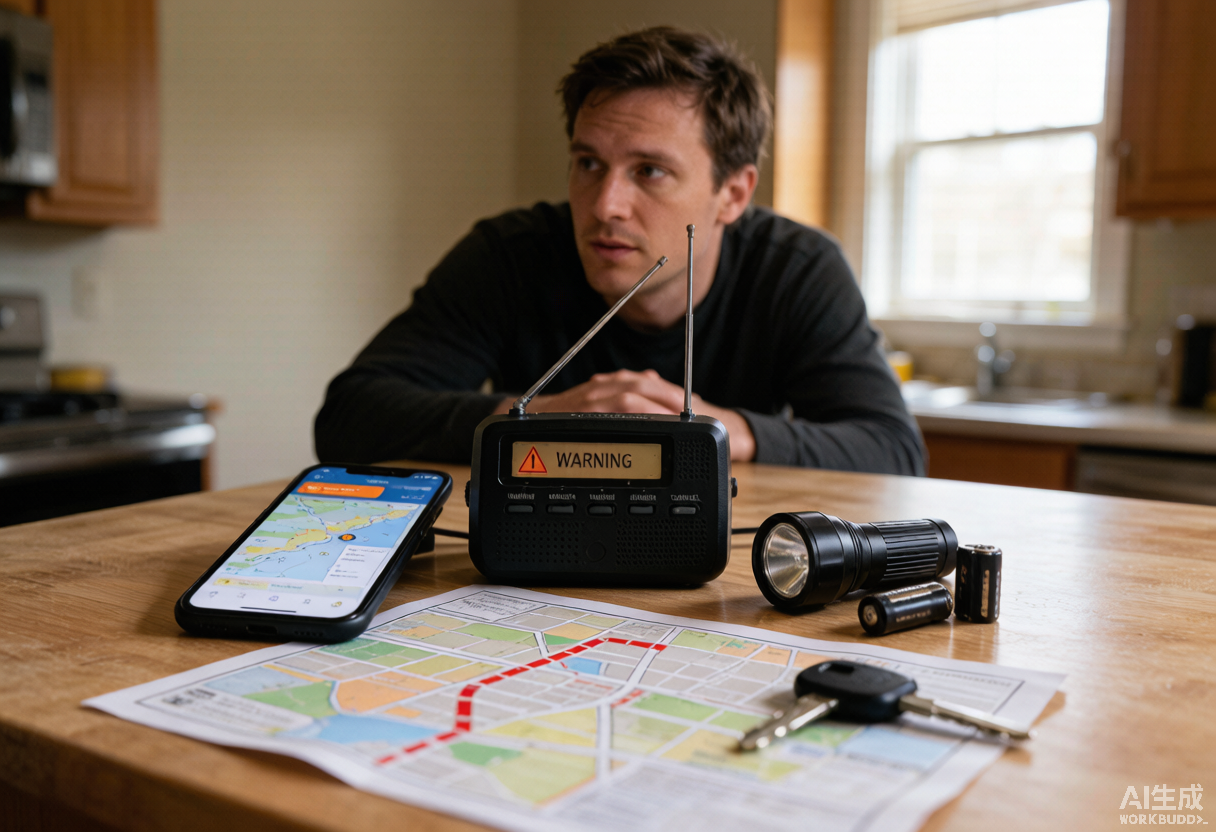
A hurricane watch means hurricane conditions are possible; a hurricane warning means they are expected. The safe planning move is to finish preparations during the watch, not after roads and stores are already stressed.
Escalate from monitoring to action when official alerts mention warning-level wind, storm surge, flash flooding, tornadoes, or evacuation instructions.
Storm surge alerts deserve separate attention from wind alerts because water can make roads unusable before peak wind arrives. If your zone floods easily, plan around the water hazard first.
Many households wait for the word hurricane and miss other dangerous alerts. Tropical storm warnings, flash flood warnings, tornado warnings, and storm surge warnings can all require immediate action.
Before making a life-safety decision, check weather.gov, your local emergency management agency, and current NHC advisories. NOAA/NESDIS and NASA images in this article are public-domain source visuals.
Use the article for background, then move to the tracker, alert, city, or planning page that matches your current situation.
Translate watch, warning, surge, flood, tornado, and evacuation wording into household actions.
Move from general guidance to local storm surge, flooding, route, outage, and alert context.
Use archive, comparison, documentation, and recovery paths after reading insurance or damage guidance.
Turn the article into a supplies, documents, pets, and household readiness checklist.
Check your official local warning first, compare it with the current NHC storm position, then decide whether your home, route, or medical needs require earlier action than the county deadline.
NHC advisories usually update on a cycle set by the storm situation, while NWS alerts can change at any time. HurricaneHub caches public feeds for short windows to reduce latency without hiding official updates.
No. HurricaneHub summarizes official data for decision support, but evacuation orders, shelter rules, road closures, and rescue instructions come from local emergency management and the National Weather Service.