Trudy
TS · 40 kt (46 mph / 74 km/h)
Position 11.2N, 97.0W
Updated 2026-10-14T03:00:00.000Z
Atlantic hurricane season
The latest NHC Atlantic feed lists no active Atlantic tropical cyclones. The next unused 2026 Atlantic name is Isaac. Updated Oct 14, 2026, 8:01 AM UTC; open the active Atlantic storm card for its latest advisory and local planning links.
Current NHC Atlantic feed
The next available name on the 2026 Atlantic list is Isaac.
Other NHC basins may have active systems. Open the live tracker for all current NHC systems.
Other current NHC basins
These systems are outside the 2026 Atlantic season count, but they remain visible in the all-basin live tracker with current NHC positions and advisories.
TS · 40 kt (46 mph / 74 km/h)
Position 11.2N, 97.0W
Updated 2026-10-14T03:00:00.000Z
HU · 95 kt (109 mph / 176 km/h)
Position 20.0N, 107.7W
Updated 2026-10-14T06:00:00.000Z
Recorded 2026 Atlantic systems
These systems have left the active NHC feed. Their tracker pages preserve the last recorded status and official source context without presenting them as current threats.
PTC · 20 kt (23 mph / 37 km/h)
Last recorded Oct 11, 2026, 3:00 PM UTC
PTC · 30 kt (35 mph / 56 km/h)
Last recorded Sep 30, 2026, 3:00 PM UTC
PTC · 25 kt (29 mph / 46 km/h)
Last recorded Sep 29, 2026, 9:00 PM UTC
PTC · 35 kt (40 mph / 65 km/h)
Last recorded Sep 26, 2026, 9:00 PM UTC
PTC · 20 kt (23 mph / 37 km/h)
Last recorded Sep 3, 2026, 9:00 AM UTC
PTC · 35 kt (40 mph / 65 km/h)
Last recorded Aug 28, 2026, 3:00 PM UTC
Recorded season activity
No active Atlantic tropical cyclone is listed in the latest NHC feed. This answer was verified at Oct 14, 2026, 8:01 AM UTC; check the advisory timestamp again before acting.
Named storms reflect HurricaneHub's observed registry, not a complete official season tally. Hurricane and major hurricane totals require each storm's historical peak intensity. The registry preserves latest status, not complete peak-intensity history; a post-tropical or ended storm may previously have been a hurricane. Consult NHC Tropical Cyclone Reports for official historical records as they become available.
Season timing
Official sequence
A standing page does not mean a storm has formed. Active and dissipated labels reflect observed feed or registry records; “next” marks the first unused name.
Local planning
Pair the season outlook with local NWS alerts, evacuation zones, surge risk, and county emergency instructions.
storm surge · evacuation traffic · freshwater flooding
Open Florida trackercoastal surge · bay flooding · long-duration rainfall
Open Texas trackerlevee and surge risk · rapid intensification · low-lying roads
Open Louisiana trackerOuter Banks access · sound-side flooding · river flooding
Open North Carolina trackercoastal surge · evacuation lane reversals · tidal flooding
Open South Carolina trackercoastal flooding · tree damage · river flooding
Open Georgia trackerMobile Bay surge · tornadoes · flash flooding
Open Alabama trackercoastal surge · river flooding · mobile home vulnerability
Open Mississippi trackerChesapeake Bay flooding · tidal flooding · river flooding
Open Virginia trackerBefore the next advisory
Build your supply plan, confirm evacuation triggers, and save official alert sources before watches or warnings begin.
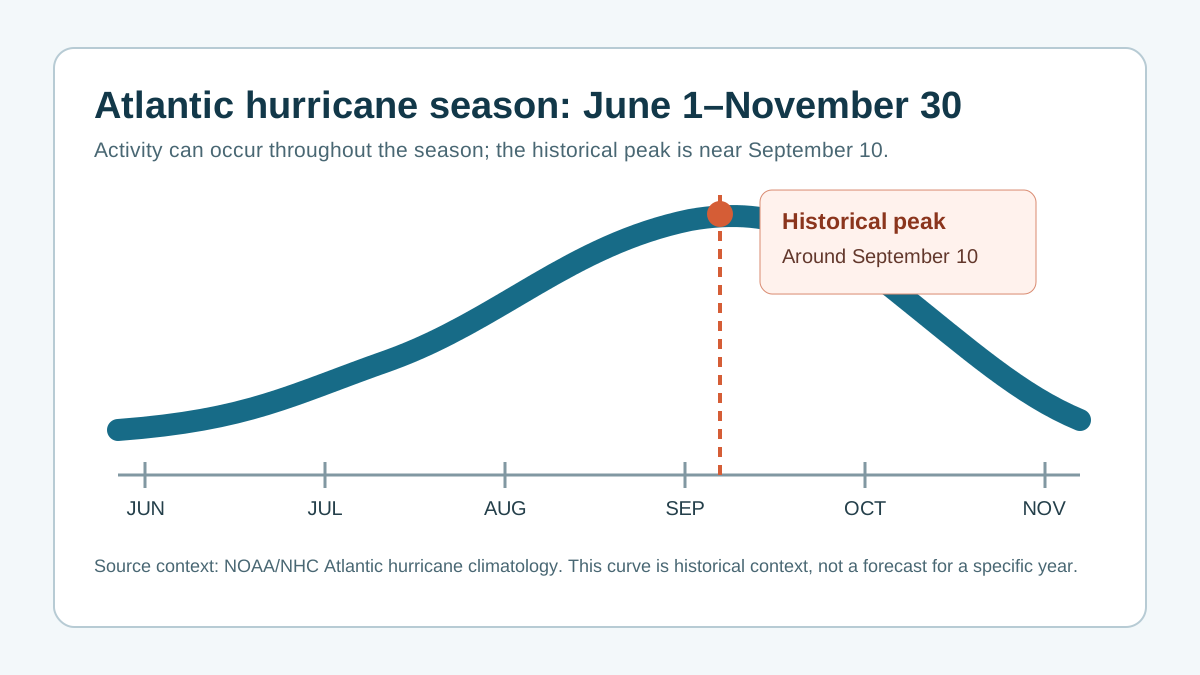
The Atlantic hurricane season runs from June 1 through November 30. Tropical cyclones can occur outside those dates, so official outlooks remain the source for current conditions.
Seasonal outlooks can change as ocean and atmospheric conditions evolve. Check NOAA's current Atlantic outlook rather than relying on an older forecast total.
Arthur is the first name on the 2026 Atlantic list. A name-list position does not mean a named storm has formed; use the current NHC feed for observed storm status.
Atlantic hurricane activity statistically peaks around September 10, with the busiest period generally running from mid-August through October.
Use HurricaneHub's live hurricane tracker for map context and follow the National Hurricane Center for official advisories, forecasts, watches, and warnings.
Continue monitoring